
Artificial Intelligence (AI) is not just influencing how we live; it’s transforming how we connect, communicate, and market online. Nowhere is this shift more evident than in social media marketing. Once dependent on human creativity and manual effort, social media strategies are now becoming faster, smarter, and more data-driven than ever before.
According to a Harvard Business Review analysis, AI has redefined marketing by automating content creation, analysing consumer behaviour, and enabling real-time personalisation across platforms. It’s not merely a supporting tool, it’s a strategic partner reshaping how brands reach audiences, measure engagement, and deliver value.
Moreover, as businesses compete for attention in a crowded digital space, the power of AI gives marketers a significant advantage. Consequently, understanding how AI impacts social media marketing isn’t optional, it’s essential for any brand aiming to stay relevant and competitive.

1. AI Is Revolutionizing Content Creation
To begin with, one of the most transformative aspects of AI in social media is content creation. Tools powered by machine learning now assist marketers in generating catchy captions, realistic visuals, and even engaging videos. Platforms like ChatGPT, Jasper, and Synthesia have made it possible to produce personalized, high-quality content within minutes.
Furthermore, AI allows brands to curate relevant content automatically, ensuring that audiences always see fresh, engaging, and trend-driven material. For instance, a beauty brand can use AI to analyze trending skincare hashtags and instantly generate posts aligned with those topics.
In addition, according to HubSpot’s 2025 Marketing Trends Report, over 80% of marketers using AI in content creation say it saves them time while improving audience engagement. Therefore, the combination of creativity and computational intelligence is proving to be a game changer.
2. Personalization Through AI: Reaching the Right Audience
Next, AI empowers brands to go beyond generic messaging by enabling hyper-personalization. Unlike traditional segmentation, AI analyzes behavioral data, purchase patterns, and even emotional tone to deliver content that truly resonates with each user.
As a result, brands can send the right message to the right person at the perfect time. For example, AI tools can analyze a user’s interaction history and predict the ideal moment to post a product reel or ad. Similarly, dynamic algorithms now adjust social media feeds in real time, showing users exactly what they’re most likely to engage with.
Moreover, AI-driven personalisation doesn’t just improve engagement, it enhances brand loyalty. When customers feel understood, they’re more likely to trust, follow, and recommend the brand. According to Forbes, personalized marketing can increase revenue by up to 15% while boosting customer satisfaction significantly.
3. AI in Advertising: Smarter Targeting and Optimization
Equally important, AI is transforming the way social media advertising works. Previously, marketers relied on manual testing and static demographic targeting. However, AI now allows for automated ad optimisation, continuously analysing metrics like engagement rates, conversion data, and customer feedback to enhance campaign performance.
Consequently, marketers no longer need to spend hours tweaking ads — AI tools handle it in real time. For instance, Facebook and Google Ads now leverage AI to determine which ad variations perform best across audiences and platforms.
Additionally, predictive analytics powered by AI can estimate campaign outcomes before launch. That means businesses can allocate their ad budgets more efficiently and minimize wasted spending.
Thus, AI is not just optimizing performance — it’s driving profitability. With smarter targeting, brands can reach audiences that genuinely convert, rather than simply generate clicks.
4. AI-Driven Analytics and Social Listening
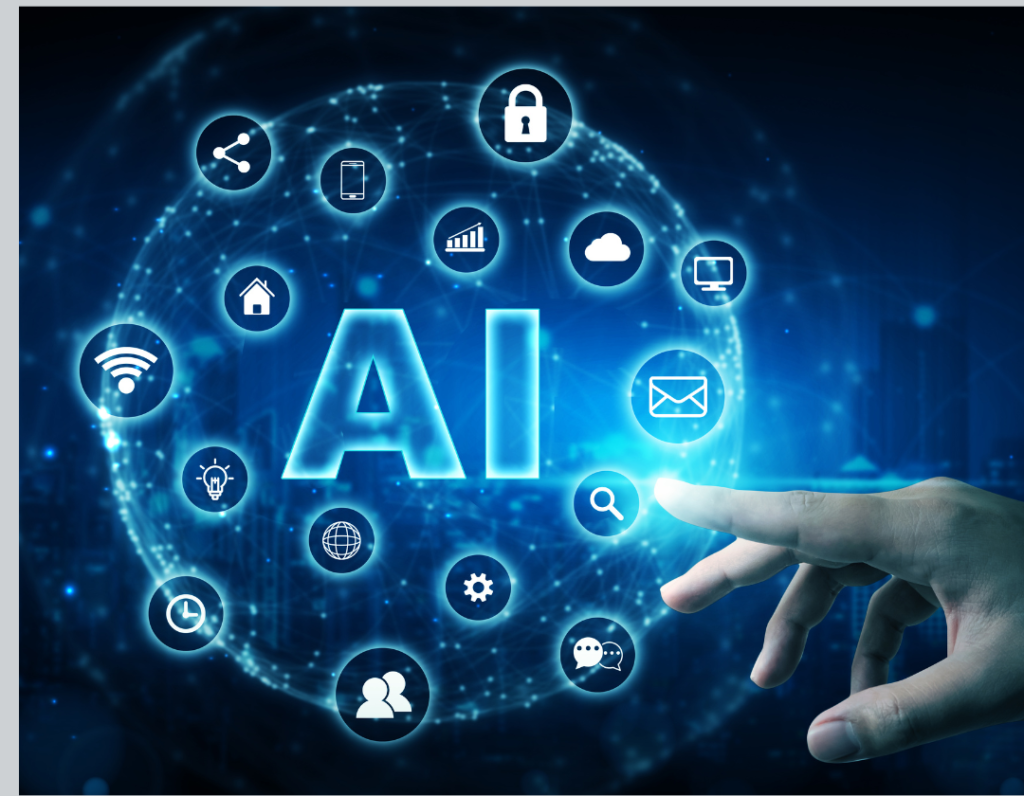
Beyond creation and advertising, AI is revolutionizing social media analytics and social listening. Instead of relying solely on manual data interpretation, AI tools now gather insights from millions of data points — comments, shares, hashtags, and sentiment trends — in seconds.
For example, AI-powered sentiment analysis can instantly identify whether customers are happy, frustrated, or indifferent toward a campaign. This allows brands to adjust their tone and strategy accordingly.
Moreover, AI doesn’t just report numbers, it interprets meaning. It helps marketers uncover why a campaign is performing well, not just how. Consequently, businesses gain actionable intelligence to refine their voice and messaging.
In the long run, these capabilities ensure that brands stay connected to the heartbeat of their audience. Instead of reactive marketing, they now practice proactive engagement.
5. Influencer Marketing in the Age of AI
Meanwhile, AI is also transforming influencer marketing, one of the most powerful forms of social promotion. Traditionally, finding the right influencer required hours of manual research. Now, AI platforms can analyze engagement data, audience authenticity, and niche alignment to suggest ideal partners.
Furthermore, AI can predict how well an influencer collaboration might perform before a contract is even signed. This reduces risks and ensures a better return on investment.
Additionally, the rise of virtual influencers, AI-generated personas with lifelike appearances, has added another dimension to influencer marketing. While controversial, these digital figures are already commanding millions of followers on Instagram and TikTok.
Nevertheless, brands must approach this innovation carefully. Transparency about AI-generated content is crucial for maintaining consumer trust, especially among Gen Z audiences who value authenticity.
6. Automation and Workflow Efficiency
On another level, AI has streamlined the social media management process itself. Through automation, marketers can now schedule posts, respond to comments, and analyze performance without manual oversight.
For instance, AI chatbots provide instant customer support on social platforms, answering FAQs, solving basic issues, and routing complex queries to human representatives. As a result, businesses can maintain 24/7 responsiveness while reducing operational costs.
Moreover, automated workflows allow teams to focus on creative strategy rather than repetitive administrative tasks. Consequently, productivity rises and burnout decreases.
Therefore, integrating AI into social media management is not just efficient; it’s essential for long-term scalability.
7. Challenges and Ethical Considerations
However, as AI continues to dominate social media marketing, several ethical concerns must be addressed. Transparency, data privacy, and authenticity are major talking points.
Firstly, not all users appreciate AI-generated content. If audiences perceive content as inauthentic or manipulative, brand reputation could suffer. Secondly, algorithms that rely on biased data can unintentionally perpetuate stereotypes or discrimination.
To mitigate these risks, marketers must practice ethical AI use, disclosing AI involvement where appropriate and maintaining a human touch in storytelling. According to Harvard Business Review, businesses that balance automation with human oversight build stronger trust and long-term loyalty.
Finally, governments and institutions are beginning to set AI regulations that will directly impact digital marketing. Therefore, staying informed about evolving laws is not just advisable — it’s mandatory for compliance and credibility.
8. Building a Winning AI-Driven Social Media Strategy
So, how can your brand leverage AI to dominate the digital space? Below is a simple step-by-step framework:
- Audit your current social media performance. Begin by identifying what’s working and where your gaps lie.
- Set clear AI goals. Do you want to save time, boost engagement, or improve targeting accuracy?
- Choose the right tools. Explore AI software for scheduling, caption writing, ad optimization, and audience insights.
- Experiment with small campaigns. Test, measure, and adjust your strategy based on AI feedback.
- Combine human creativity with machine precision. AI is powerful, but human empathy and originality remain irreplaceable.
- Monitor results continuously. The AI landscape evolves quickly, so agility and adaptability are essential.
Moreover, as HubSpot advises, successful AI integration depends on constant experimentation and a willingness to learn from data-driven results.
9. The Future of AI in Social Media Marketing

Looking ahead, AI’s impact on social media will only deepen. Emerging trends such as voice search, visual recognition, and predictive engagement are already shaping how users discover and interact with brands.
For example, AI-powered tools will soon predict which posts will go viral before they’re even published. Similarly, virtual and augmented reality will merge with social platforms, creating fully immersive experiences for audiences.
Furthermore, as generative AI models advance, we’ll see more personalized storytelling and adaptive content that evolves based on viewer behavior. Imagine a video ad that changes dynamically as you watch, that’s the next frontier.
In summary, the brands that embrace innovation, invest in AI training, and maintain ethical transparency will lead the next wave of social media success.
Transition words used: looking ahead, for example, similarly, furthermore, in summary.
Conclusion
In conclusion, AI is changing social media marketing forever, from how content is created to how audiences are understood. It enables personalization, drives efficiency, and transforms creativity into measurable results. While challenges such as authenticity and ethics remain, the potential benefits far outweigh the risks.
Ultimately, AI doesn’t replace human marketers; it empowers them. When used responsibly, it amplifies creativity, deepens audience connection, and drives meaningful growth.
Now is the time to take action.
Start by exploring one AI tool that aligns with your brand’s goals, whether for content creation, analytics, or automation. Learn, test, and refine your strategy.
Forbes notes, companies that adopt AI early enjoy greater market share and stronger brand visibility.
So don’t wait for the future, build it.
Integrate AI into your social media strategy today and lead the transformation shaping tomorrow’s digital world.

Comments are closed