
Changing careers can be daunting at any stage of life. Whether you’ve spent decades in the corporate world, worked tirelessly in the healthcare sector, or built a successful business, the idea of stepping into ministry or deepening your theological knowledge through Bible college might seem like a radical leap. However, the truth is this: it’s never too late to follow God’s calling on your life.
In this blog post, we will explore the reasons why career changers are choosing Bible colleges, how to navigate the process of applying to Bible college, and practical steps to take when making the shift to a faith-based academic path. We will also offer Christian university application tips, explain faith-based college requirements, provide a seminary application checklist, and walk you through how to get into Bible college — all while encouraging you that your age or past career is not a disqualification but an asset in your spiritual journey.
Why Career Changers Are Choosing Bible College

A Calling Later in Life
Many individuals feel a pull toward ministry later in life. Perhaps it’s due to a major life event, a spiritual awakening, or simply a deep desire to live a life of purpose and service. Unlike traditional college students who enter Bible college directly from high school, second-career seminary students often arrive with years of life and professional experience.
This maturity brings depth to classroom discussions, mentorship opportunities, and leadership roles on campus. Moreover, having navigated real-world challenges, these students are often more focused and driven in their theological studies.
Ministry Needs Seasoned Leaders
Today’s churches and ministries need leaders who are not only theologically sound but also emotionally mature, relationally wise, and practically equipped. Mature Christian students can bring a balance of faith and life experience to the ministry, making them effective pastors, counselors, educators, and missionaries.
If you’ve ever asked, “Am I too old to start ministry?” — the answer is no. In fact, your past career could uniquely prepare you for your future calling.
Overcoming Common Fears of Career Changers
Fear of Starting Over
It’s normal to feel hesitant about starting a new academic journey, especially if it’s been years since you last stepped into a classroom. However, Bible colleges today offer support services, flexible class schedules, and online learning options that cater specifically to adult learners.
Fear of Rejection
Some fear they won’t meet the academic requirements or that their background disqualifies them from theological education. Thankfully, many faith-based colleges value your testimony, life journey, and spiritual maturity as much as your academic history. We’ll explore more about these faith-based college requirements shortly.
Fear of Finances
Finances are a major consideration for adult learners. However, numerous Bible colleges offer scholarships and flexible payment plans for second-career students. Additionally, if you are entering ministry, many churches, denominations, or mission boards offer support for your education.
Applying to Bible College as a Career Changer

Let’s break down the process into actionable steps. Whether you’re looking at a full-time program, a part-time online course, or an in-person seminary experience, the following guide will help simplify your journey.
Step-by-Step Guide for Career Changers
Step 1: Reflect on Your Calling
Before anything else, spend time in prayer, fasting, and godly counsel to confirm your calling. A career change into ministry should be born from a place of spiritual conviction. Ask yourself:
- Has God placed a strong desire in your heart to serve?
- Have others affirmed your gifting and call?
- Are you ready to be trained and equipped for the next season?
Once you’ve gained clarity, you can begin your academic journey with confidence.
Step 2: Research Faith-Based Colleges and Seminaries
There are a variety of Christian institutions to choose from. Some focus on pastoral ministry, others on missions, counseling, Christian education, or theology.
Here are a few things to consider:
- Do they accept non-traditional students?
- Are online or hybrid programs available?
- Does the school align with your denomination or theological views?
Use these Christian university application tips:
- Check accreditation
- Attend virtual info sessions
- Contact an admissions counselor directly
- Ask about adult learner services and support groups
Step 3: Understand the Faith-Based College Requirements

Most faith-based colleges require more than just academic transcripts. You may also need:
- A personal testimony of your salvation
- A pastoral or spiritual leader’s recommendation
- A clear statement of calling or purpose
- Agreement with the school’s doctrinal beliefs
Though it may feel intimidating, these requirements are designed to help both you and the school determine if it’s the right fit spiritually and educationally.
Step 4: Complete the Seminary Application Checklist
Here’s a typical seminary application checklist for career changers:
Completed application form
Official transcripts (from prior college or high school)
Personal essay or statement of purpose
Two to three references (pastoral and professional)
Testimony of salvation and calling
Interview with admissions (in-person or virtual)
Application fee
FAFSA or financial aid forms (if applicable)
Keep all your materials organized, and give your references plenty of time to respond.
Step 5: Prepare Financially and Logistically
Make a budget and determine how you will support yourself and your family during your studies. Consider:
- Scholarships
- Grants for adult learners
- Church sponsorship
- Bi-vocational work (e.g., part-time ministry + part-time job)
Also, plan for housing, transportation, and family responsibilities. If you’re married or have children, involve them in the planning process. This is a spiritual journey for them, too.
Step 6: Embrace the Learning Process
Once accepted, step into your studies with a humble and open heart. As a career changer, your advantage is life experience, but don’t let that make you feel too proud to learn.
Ask questions, seek mentorship, and engage with younger students. Your presence on campus can be a powerful influence and encouragement to others.
Step 7: Find a Ministry Outlet
While studying, get involved in a student-led Christian ministry or campus outreach program. This hands-on experience will help you put what you’re learning into practice. Many Bible schools require practicum hours, so this is an excellent way to start.
Some ideas for involvement:
- Leading Bible study groups
- Serving in a local church
- Participating in missions or evangelism
- Mentoring younger students
Benefits of Attending Bible College as an Adult
Let’s take a moment to highlight the unique advantages adult learners bring to the table:
1. Depth of Insight
You’ve seen more of life — and your reflections on Scripture, theology, and ministry will be deeper and more grounded.
2. Leadership Potential
Many career changers already have leadership experience from the workplace. This can translate into effective church leadership.
3. Stronger Commitment
Older students often show greater discipline and focus in their studies, having chosen this path intentionally.
4. Mentorship Opportunities
You can be a guide and encourager to younger students, fostering an intergenerational community of faith.
How to Get into Bible College: Tips for Career Changers
If you’re wondering how to get into Bible college, here are final pointers just for you:
- Start Early: Give yourself several months to gather documents, write essays, and pray through the process.
- Communicate with Admissions: Don’t be afraid to ask questions or request support. Most colleges are eager to help.
- Don’t Fear Your Age: Seminaries and Bible colleges are used to admitting students in their 30s, 40s, 50s, and beyond.
- Own Your Story: Be honest about your past career. Show how it has prepared you for the next chapter.
- Show Your Passion: Your application should reflect your excitement for ministry, your love for God, and your desire to grow.
Transitioning Into Ministry After a Career Change
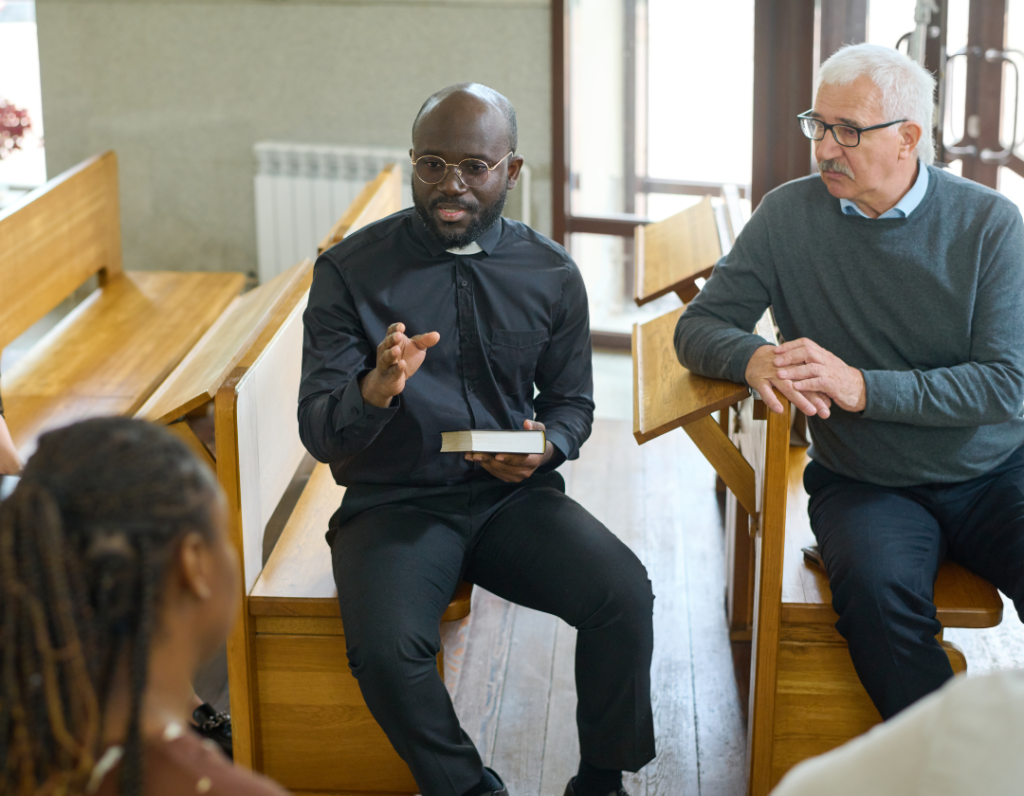
So what happens after Bible college?
The options are endless:
- Become a pastor in a local church
- Start a nonprofit or mission-driven organization
- Serve as a chaplain in hospitals, prisons, or the military
- Pursue Christian counseling or family ministry
- Lead discipleship programs, write Christian books, or teach theology
The most important thing is to remain obedient to where God is leading you.
Real-Life Testimony: From Corporate to Seminary
Let’s take a brief look at a real-life example.
Linda, a former human resources manager in a multinational company, felt called to ministry at age 48. She applied to a well-respected Bible college, enrolled in a Master of Divinity program, and now leads a growing women’s ministry in her community. Linda once feared it was “too late,” but now she says, “My past career didn’t disqualify me — it equipped me.”
Your story can be just as powerful.
Conclusion
To every adult feeling that gentle nudge toward ministry, hear this: you are not too old, too late, or too unqualified. God’s calling often comes in unexpected seasons, and when He calls, He equips.
Bible college may seem like a big step, but it’s a step of faith that can lead to immeasurable fruitfulness. Whether you’re applying to Bible college after 20 years in a different field or just discovering your calling, the path ahead is open.
Are you ready to pursue your calling and step into ministry? Don’t let fear or doubt hold you back. Start by researching faith-based colleges today. Download our free “Seminary Application Checklist” to get organized and take the first bold step toward your future in ministry.
Want guidance on selecting the right Bible college? Contact us today for a free consultation.
Remember: It’s never too late to follow God’s call on your life. The world needs your voice, your experience, and your faith — now more than ever.

Comments are closed